In Feb 2026, a single Pokémon card “the Pikachu Illustrator PSA 10” sold for 16.49 million USD at auction.
Pokeitem.com

Some people think that Economics is all about money. But as Jessie J sang, its not about the money.
Money is known as a medium of exchange.
Lets imagine that you are an avid collector of Pokemon Cards, some of you will have had experience of this, swapping Pokemon cards, Baseball cards or Football stickers.
If you wanted a “Trophy Pikachu Trainer No. 1” Pokemon card (the rarest Pokemon card) that you best friend has and they want your “Shadow Lugia” card (who of the strongest cards to have) then you have a coincidence of wants. You swap.
This is barter. The goods are exchanged without the use of money. There is what is called a “coincdience of wants”.
A barter system describes the situation when goods and services are directly exchanged without the need to use money as a medium of exchange. The number one requirement of a barter system is that there must be a coincidence of wants.
But what if your friend didn’t want your “Shadow Lugia” card, what if there is no coincidence of wants, what are you to do then?
That’s where we need a medium of exchange.
The earliest forms of mediums of exchange were tangible items like salt, cattle, grain, tobacco and even cowrie shells. Generally these worked well. But not all cattle are the same and how do you divide up a living animal!
In Lydia, in what is now modern day Turkey, around 600 BCE, the first minted coins appeared. This allowed for the portability and divisibility of the medium of exchange.
So your friend doesn’t want to barter with you, but now they might be willing to accept an offer.
If they didn’t want to swap. Then no trade will take place. This is where money plays a role as a medium of exchange. Offering in excess of £100,000 might get you the Trophy Pikachu Trainer No. 1 card.
Bartering isn’t just found in the school yard.
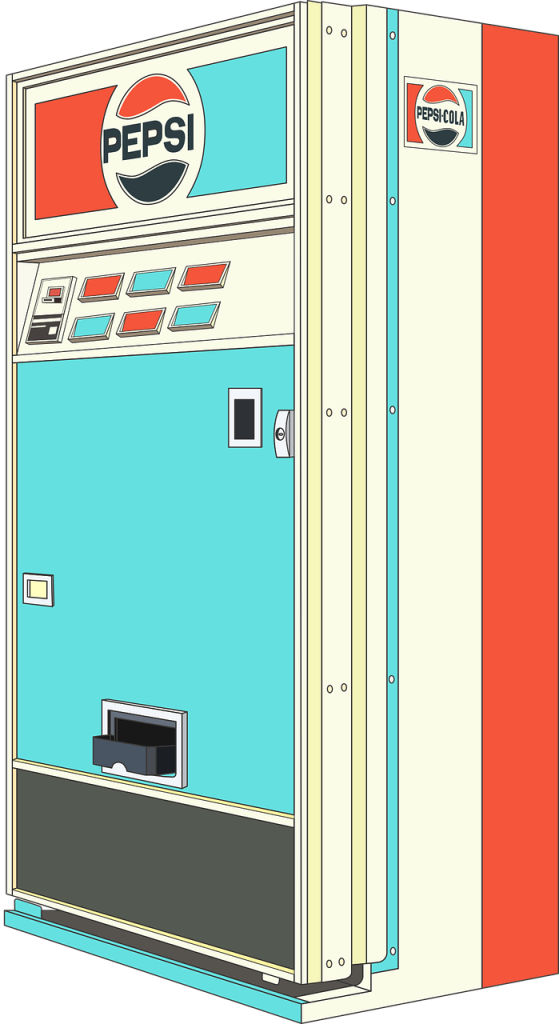
The Pepsi Story.
PepsiCo struck a famous barter deal in 1972. Pepsi syrup was traded for Stolichnaya vodka, which Pepsi then imported and sold in the United States.
Countertrade deals also included Soviet agricultural products like tomato paste. PepsiCo (which later acquired Pizza Hut in 1977) did use regional supply chains and countertrade elements to source ingredients.
In 1989, as the previous vodka agreement hit political snags and the USSR wanted more soda, they paid Pepsi with old military hardware: 17 submarines, a cruiser, a frigate, and a destroyer (plus oil tankers).
The aging, obsolete vessels were immediately sold to a Swedish company to be broken down for scrap metal. Pepsi’s CEO famously joked to a U.S. national security adviser: “We’re disarming the Soviet Union faster than you are.”